
|
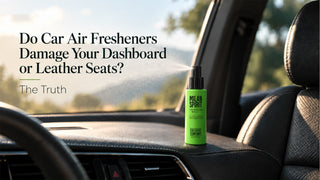
Quick answer: usually not, but they can. A car air freshener rarely harms a dashboard or leather seat through its scent alone. Reported damage involves concentrated fragrance oil touching a surface, through a leak, a spill or a freshener resting against trim. Formats with no loose liquid carry less spill risk, and good placement prevents most problems. |
In This Guide
-
The Short Answer
-
What Actually Causes Damage
-
Which Surfaces Are Most at Risk
-
Myth vs Fact
-
Format-by-Format Risk Guide
-
How to Use Any Car Freshener Without Damaging Your Interior
-
What to Do If Fragrance Oil Spills or Leaks
-
Choosing a Freshener for a Leather Interior
-
Frequently Asked Questions
-
Final Verdict
The Short Answer: Can Car Air Fresheners Damage Your Interior?
Yes, a car air freshener can damage a dashboard or leather seat, but it is the exception rather than the rule, and it almost always comes down to contact. Millions of drivers use fresheners for years without a mark. The cases that make the news, or fill car forums with photos of peeling trim, tend to involve one of three things: fragrance oil that has leaked or been spilled, a freshener that has been left pressing against a surface, or a product placed somewhere it should not be.
That distinction matters, because it changes what you should do. If the scent in the air were the problem, the only answer would be to give up fragrance altogether. Because the risk is concentrated oil touching a surface, the answer is to choose a format sensibly, place it properly and know what to do if something goes wrong. This guide covers all three.
We make car air fresheners, so we have an obvious interest here. We have tried to be straight about the risks, including the ones that apply to our own formats, because a guide that only says "ours are fine" would not be worth reading.
What Actually Causes Damage
Concentrated Fragrance Oil and Its Carriers
Fragrance in a car freshener is usually a concentrated blend of aromatic oils, often mixed with a solvent carrier so that it evaporates evenly. In small amounts, dispersing into the air, that is harmless to your trim. In liquid form on a surface, it behaves like a solvent. Automotive guides that cover the problem describe concentrated oils softening or stripping some coatings, marking varnished or painted surfaces and staining leather and fabric if a leak or spill reaches them.
Prolonged Contact
The second cause is a freshener that sits against something for days. One consumer report from a US local news station described a hanging freshener that had been moved to rest against a vent control knob. When the owner pulled it away, the plastic stretched off with it. The packaging for the product included a warning not to let it touch upholstery, plastic, painted or varnished surfaces, as many do. The lesson is not that fresheners are dangerous, but that the instructions about contact are real.
Heat
Heat makes both problems worse. A parked car in strong sun can get far hotter than the air outside, and the top of a dark dashboard gets hottest of all. Heat speeds up evaporation, and it can make liquids expand and weaken packaging. That is why most guides tell you never to leave a freshener on top of the dashboard.
What Does Not Seem to Cause Damage
In the reports and guidance we reviewed, the scent in the air was not the cause of damage. The documented problems involve liquid oil or an oil-soaked carrier touching a surface. Some guides mention that fragrance can leave a faint film over time, but that is a cleaning issue rather than structural damage.
Which Surfaces Are Most at Risk
Not every part of your interior is equally sensitive. This table shows where the risk is highest, based on general automotive guidance. Your vehicle handbook will tell you more about your specific materials.
|
Surface |
Risk level |
Why |
|---|---|---|
|
Painted, lacquered or "piano black" trim |
Higher |
Coatings can be softened or marked by solvents and concentrated oils |
|
Soft-touch dashboard coatings and vinyl |
Higher |
Thin surface layers can peel, blister or lose their finish if oil sits on them |
|
Hard plastic knobs, vents and buttons |
Higher |
Some plastics can soften or become sticky after prolonged contact |
|
Leather |
Medium |
Most modern car leather has a protective coating, but a spill can still mark it, and more natural finishes absorb liquid quickly |
|
Fabric upholstery and carpet |
Lower to medium |
Can stain or discolour, though fabric is also where scent holds best |
|
Wood veneer |
Higher |
Varnish can be marked by oils and solvents |
|
Screens and electronics |
Avoid |
Keep all fragrance products away from them |
Myth vs Fact
Myth: Car air fresheners always damage dashboards
Fact: they do not. Most drivers never see a problem. Damage tends to follow a leak, a spill or sustained contact, which is why placement and format matter more than the idea of "fresheners" as a category.
Myth: A glass bottle cannot leak
Fact: any product that holds liquid fragrance oil can transfer it if it is knocked, tipped or left to swing against a surface. Glass is a pleasant, durable material, but it does not change that. That is why even our own Hanging Diffuser comes with the instruction to let it hang freely without touching upholstery or walls.
Myth: Expensive fresheners are always safer
Fact: price is a poor guide. What matters is how the fragrance is held and released, and how the product is placed. A well-designed product used badly can still cause a mark, and a simple one used carefully usually will not.
Myth: If it has not marked your car yet, it never will
Fact: contact damage builds up. A freshener that has rested against trim for a day may leave nothing, but the same position for weeks, in summer heat, is a different story.
Myth: Wipe it with anything to hand
Fact: strong cleaners, alcohol and harsh chemicals can make marks worse by stripping protective layers. Gentle, material-appropriate cleaning is safer, and we cover it below.
Myth: A quick spray on leather is fine if you wipe it off
Fact: sprays are designed for fabric. Our own Mist Spray guidance is to avoid leather, polished wood, painted surfaces, plastic and electronics. Spraying leather is the one use we would steer anyone away from.
Format-by-Format Risk Guide
Because the risk comes from loose liquid oil touching a surface, the formats differ in how much liquid is involved. This is how we see our own range, and it is a fair guide to other products too.
|
Format |
Main risk |
How to use it safely |
|---|---|---|
|
Mist Spray |
Liquid reaching non-fabric surfaces |
Spray fabric only: floor mats, seat covers, carpet. Avoid leather, plastic, polished or painted surfaces and electronics |
|
Hanging Diffuser |
Liquid oil if the bottle is knocked, tipped or left against a surface |
Hang from the mirror, let it swing freely, keep it clear of upholstery, trim and walls, and keep it upright |
|
Scented Beanbag |
Lowest: fragrance beads in a fabric pouch, no loose liquid |
Place under a seat or in a door pocket and avoid long pressing against delicate trim |
|
Poly Card |
Lower: fragrance is infused into the card, but oil can still transfer if it is pressed against trim for long periods |
Hang from the mirror or vent, away from controls and trim it could rest against |
|
Gel, loose-liquid or soaked-card products (any brand) |
Higher where they can leak, soften or bleed oil |
Follow the packet warnings and never leave on the dashboard |
Mist Spray
The Mist Spray is designed for fabric surfaces only. Aim at floor mats, fabric seats or the carpet under the seats, where scent also lasts longest. Keep it away from leather, polished wood, painted trim, plastic and electronics.
See the Mist Spray collection, or read our guide to the 5 best car air freshener sprays for UK drivers.
Hanging Diffuser
The Hanging Diffuser is a glass bottle of fragrance oil with a wooden cap that acts as a wick. Our care guidance is to give it space to sway, because resting it against upholstery or walls can leave marks and also dulls the scent. Treat it the way you would any bottle of fragrance oil: hang it from the mirror, keep it clear of the dashboard and controls and keep it upright.
See the Hanging Diffuser collection, or read about hanging car diffusers and how they compare with cardboard trees.
Scented Beanbag
The Scented Beanbag holds its fragrance in beads inside a fabric sachet, so there is no liquid to spill, no gel to dry out and no sticky residue. That makes it the lowest-risk format in our range for a car with sensitive trim, and it sits happily out of sight under a seat or in a door pocket.
See the Scented Beanbag collection, or read our guide to scented beanbags.
Poly Card
The Poly Card is a slim card infused with fragrance oil, so there is no bottle to knock over. It hangs from the mirror or a vent. As with anything that carries fragrance, keep it from resting against buttons, knobs or soft-touch trim for long periods.
See the Poly Card collection.
A note of caution: we cannot test every interior in every climate, and materials vary between manufacturers. Treat this as general guidance rather than a guarantee, and check your vehicle handbook if you have delicate or unusual trim.
How to Use Any Car Freshener Without Damaging Your Interior
-
Read the packet. Most fresheners carry a warning about contact with upholstery, plastic, painted and varnished surfaces. Those warnings exist for a reason.
-
Never leave one on the dashboard. It is the hottest spot in the car, and a bump can tip a bottle straight onto trim.
-
Let hanging products hang freely. Position them so they do not swing against vents, knobs, screens or door trim.
-
Keep liquids upright. Store spare diffusers and sprays upright and away from heat, and do not leave them loose on a seat.
-
Spray fabric, not trim. For any mist, treat floor mats and fabric seats, and avoid hard or coated surfaces.
-
Check every few weeks. A quick glance at the freshener and the surface near it takes seconds and catches problems early.
-
Remove empty or expired products. Residue can leak or degrade in summer heat, so do not leave an empty bottle hanging around.
For more on how heat affects fragrance, our guide to whether car air fresheners trigger headaches or allergies also explains why a closed, hot car makes fragrance feel stronger.
What to Do If Fragrance Oil Spills or Leaks
If a bottle tips or a product leaks, speed matters more than anything. The longer oil sits on a surface, the more likely it is to leave a mark.
-
Remove the product and keep it upright so no more oil escapes.
-
Blot straight away with a clean, dry, soft cloth. Dab rather than rub, so you do not spread the oil or press it into the surface.
-
For hard trim, wipe gently with a cloth lightly dampened with mild soapy water, then dry. Avoid alcohol and harsh cleaners, which can strip coatings and make a mark worse.
-
For leather, blot and use a cleaner designed for leather, following its instructions. Do not soak the area.
-
If the finish has changed, such as sticky, soft, discoloured or peeling, stop and speak to a professional valeter or your dealer before trying anything stronger.
Prompt, gentle cleaning solves most small spills. Marks that have already softened a coating or discoloured leather are a job for a specialist.
Choosing a Freshener for a Leather Interior
If you have leather seats, you do not need to give up fragrance, but a few choices make life easier.
-
Prefer formats with no loose liquid, such as a Scented Beanbag or a Poly Card, particularly if the car is parked in the sun.
-
If you like a diffuser, hang it from the mirror and keep it clear of the seats and trim. Tighten the cap overnight.
-
Use a mist only on fabric mats or fabric seat covers, never on the leather.
-
Avoid products you cannot see the contents of, or ones with no clear care instructions.
-
If you have a classic, rare or heavily customised interior, test any product carefully or ask the manufacturer before using it.
Browse all four formats in the full Scentz range, or see the Milan Spirit and London Flair collections for two of our most understated scents.
Frequently Asked Questions
Do car air fresheners damage dashboards?
They can, but it is uncommon and usually involves direct contact. Concentrated fragrance oil from a leak or spill, or a freshener left resting against trim, can mark, soften or peel some coatings and plastics. Used as directed and kept off the dashboard, most fresheners cause no damage.
Can a car air freshener damage leather seats?
It can if liquid fragrance oil reaches the leather and is not cleaned up quickly. Most modern car leather has a protective coating, but a spill can still stain it. Avoid spraying leather and prefer formats with no loose liquid, such as a Scented Beanbag, if you want to be cautious.
Why did my air freshener leave a mark or melt the plastic?
Almost always because concentrated fragrance oil or its solvent carrier touched the surface, either from a leak or from the freshener resting against it for a while. Heat makes this more likely. Check where it was hanging, read the packet warnings and clean any residue gently as soon as you notice it.
Is it safe to hang an air freshener from the rear-view mirror?
Generally yes, provided it can swing freely and does not touch the dashboard, vents, knobs or door trim. The mirror is the standard place for a hanging freshener because it is clear of most surfaces. Check regularly, and do not leave it where it can drop onto trim.
Which type of car air freshener is least likely to damage my interior?
Formats with no loose liquid carry less spill risk by design. A Scented Beanbag holds fragrance in beads inside a fabric sachet, and a Poly Card is an infused card. Any format can cause problems if misused, so placement and following the instructions still matter.
What should I do if fragrance oil spills in my car?
Act quickly. Keep the bottle upright, blot the oil with a dry soft cloth, then clean gently with mild soapy water on hard trim or a leather-safe cleaner on leather. Avoid alcohol and harsh cleaners. If the finish has softened, discoloured or peeled, ask a professional valeter or your dealer.
Can I spray the Mist Spray on leather seats?
No. The Scentz Mist Spray is designed for fabric surfaces such as floor mats, fabric seats and carpet. Avoid spraying it on leather, polished wood, painted trim, plastic or electronics. If your seats are leather, treat the floor mats or use a Beanbag, Poly Card or Hanging Diffuser instead.
Final Verdict
So, do car air fresheners damage dashboards or leather seats? Sometimes, and almost always because of contact with liquid fragrance oil rather than because of the scent itself. The risk is low if you choose a sensible format, place it where it cannot touch delicate surfaces, keep it away from the hottest parts of the car and clean up any spill quickly.
If you want to be as cautious as possible, start with a format that has no loose liquid, hang anything liquid from the mirror and read the instructions before you use it. That is the same advice we give about our own products, and it is how you keep both the scent and the interior in good condition.
Explore the full Scentz range, or start with a Scented Beanbag if you want the lowest-risk way to scent a leather interior.